Winter Driving Tips: Essential Safety Advice for Cold Weather
- Winter driving requires careful preparation and staying aware of changing road conditions to ensure safety.
- Different drivers face unique challenges in winter, from new and teen drivers to daily commuters, long-distance travelers, and rural drivers.
- Staying informed about weather conditions, planning for emergencies, and using technology like traction control can significantly improve winter driving safety.
Driving in winter presents unique challenges, especially when dealing with heavy rain, strong winds, and occasional flooding. While California may not experience snow and ice in most areas, winter weather still impacts road safety. Wet and slick roads, reduced visibility, and sudden gusts of wind make driving conditions unpredictable. Proper preparation and safe driving practices can significantly reduce risks and ensure a safer journey during the colder months.
Preparing the Vehicle for Winter Weather
A well-maintained vehicle is essential for winter driving. Harsh weather conditions can affect vehicle performance, making routine checks and maintenance crucial. Ensuring that tires, wipers, the battery, and lights are in good condition helps drivers confidently navigate wet and windy conditions.
Check the Tires
Maintaining traction on wet roads heavily depends on the condition and quality of the tires. Worn-out or underinflated tires increase the risk of hydroplaning, making it difficult to control the vehicle. Drivers should inspect their tires regularly, ensuring the tread depth meets safety standards. Keeping tires properly inflated improves stability and fuel efficiency. Rotating tires periodically also helps distribute wear evenly, enhancing performance on slippery surfaces.
Inspect the Wipers & Washer Fluid
Heavy rain significantly reduces visibility, making fully functional windshield wipers a necessity. Worn-out wiper blades leave streaks and fail to clear water efficiently. Replacing wipers every six to twelve months ensures optimal performance.
Additionally, using a high-quality washer fluid designed for colder weather prevents the fluid from freezing and ensures clear visibility. A well-maintained windshield provides a clear view of the road, reducing the risk of accidents.
Test the Battery
Cold and wet conditions put extra strain on a vehicle’s battery. A weak or aging battery may struggle to start the engine, especially in damp weather. Checking the battery’s charge and ensuring the terminals are corrosion-free helps prevent unexpected breakdowns.
If the battery is more than three years old, a professional inspection can determine whether it needs replacement. Regular maintenance ensures the electrical system functions properly, keeping essential components like headlights and defrosters operational.
Check the Lights
Shorter daylight hours and frequent overcast conditions make proper lighting essential for safe winter driving. Headlights, taillights, and turn signals should be inspected to ensure they function correctly.
Cleaning the lights regularly prevents dirt and grime from dimming their brightness. Using headlights during rain and fog improves visibility for the driver and other motorists, reducing the likelihood of collisions.
Essential Winter Driving Tips
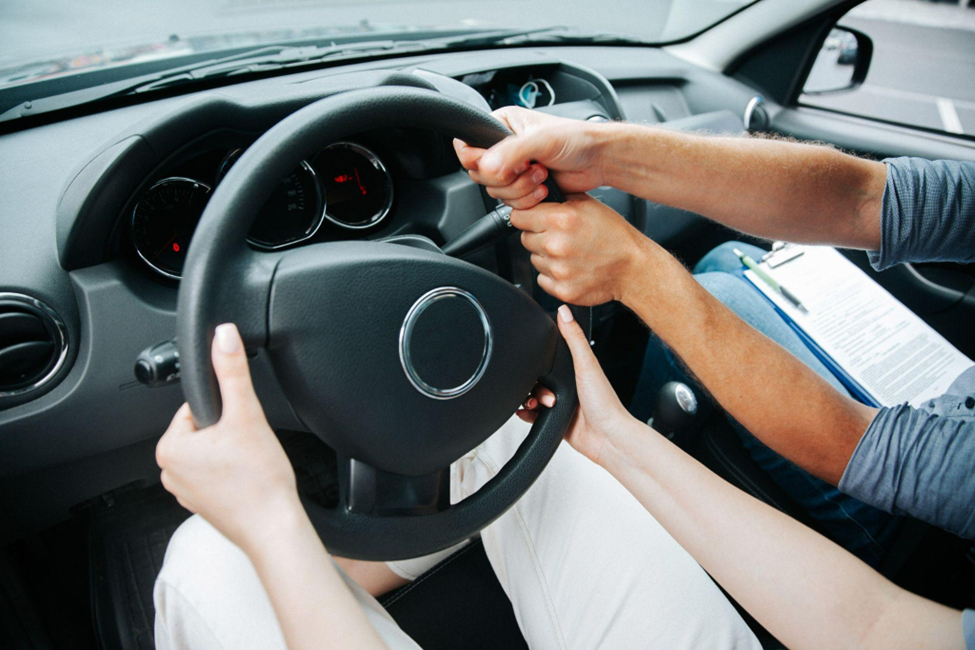
Driving in winter presents unique challenges, from sudden weather changes to unpredictable road conditions. While vehicle preparation is crucial, drivers must also adjust their habits to stay safe on wet, icy, or foggy roads. Understanding how to navigate these conditions with the right techniques can help prevent accidents and ensure a smoother driving experience.
Driving Safely in Heavy Rain
Rain creates slippery roads, increasing the risk of skidding and accidents. By adopting cautious driving habits, drivers can maintain control of their vehicles even in challenging conditions.
Reduce Speed
The speed limits are designed for ideal conditions, not wet roads. Driving too fast in the rain increases stopping distances and raises the risk of hydroplaning. Slowing down allows tires to maintain better contact with the road, improving stability. Adjusting speed according to visibility and traffic conditions ensures safer driving during heavy rainfall.
Increase the Following Distance
Stopping distances increase significantly on wet roads. Tailgating reduces reaction time, making it harder to avoid collisions. Maintaining a safe following distance of at least five seconds provides ample time to react to sudden stops or obstacles. This added space prevents rear-end accidents and gives drivers more control in slippery conditions.
Avoid Sudden Movements
Abrupt braking, accelerating, or turning can cause a vehicle to lose traction. Smooth and gradual movements help maintain stability and prevent skidding. If a vehicle begins to skid, easing off the accelerator and steering in the direction of the slide can help regain control. Practicing gentle driving techniques minimizes the risk of losing traction on wet roads.
Use Headlights, Not High Beams
Low-beam headlights improve visibility in the rain, allowing other drivers to see the vehicle more clearly. High beams, however, reflect off raindrops, creating glare that reduces visibility. Ensuring headlights are on during rainy conditions enhances road safety for all.
Navigating Flooded Roads and Standing Water
Flooded roads present serious hazards, even for experienced drivers. Water depth can be deceiving, and driving through standing water can cause significant damage to a vehicle. Knowing how to handle these situations can prevent costly repairs and ensure personal safety.
Turn Around, Don’t Drown
Even shallow water can pose a danger. Six inches of water is enough to cause loss of control, while one foot can sweep away a small car. Avoiding flooded roads and seeking alternate routes is the safest option. Attempting to drive through deep water can lead to engine failure or being stranded.
Judge Water Depth Carefully
It is often difficult to gauge the depth of standing water. If water reaches the bottom of a vehicle’s door, turning back is the best decision. Vehicles that become submerged can suffer electrical damage, leaving drivers stranded and facing expensive repairs. Observing other vehicles and assessing their movement through water can help determine if a road is safe to pass.
Drive Slowly and Steadily
If crossing a shallow flooded area is unavoidable, maintaining a slow and steady pace prevents water from being forced into the engine. Avoiding sudden stops or accelerations helps prevent loss of traction. A cautious approach ensures safe passage through minor flooding.
Test the Brakes After Crossing Water
Reduced brake effectiveness can occur when passing through a flooded area, making it crucial to test them afterward. Gently pressing the brake pedal while driving slowly helps remove excess moisture and restores normal braking function. Ensuring brakes are dry before resuming regular speeds improves overall vehicle control.
Handling High Winds on the Road
Strong winds pose unique challenges, particularly on highways and open roads. Vehicles are more susceptible to wind drift, making it essential to maintain control and anticipate sudden gusts.
Keep a Firm Grip on the Steering Wheel
Unexpected wind gusts can push a vehicle off course. Keeping both hands on the steering wheel provides better control, especially when driving through exposed areas. A firm grip allows drivers to counteract wind forces and stay in their lane.
Watch for Large Vehicles
Trucks, buses, and RVs are more affected by high winds due to their larger surface area. Passing these vehicles cautiously and maintaining distance prevents being caught in their wind turbulence. Drivers should be mindful of their surroundings and anticipate sudden shifts in other vehicles’ movements.
Reduce Speed and Stay Alert
Lowering speed during strong winds enhances vehicle stability. Sudden gusts can cause unexpected lane changes or difficulty in maintaining control. Staying alert and adjusting speed according to wind intensity ensures safer driving conditions.
Avoid Driving over Bridges and Open Areas
Bridges, overpasses, and open roads provide less protection from wind gusts. Vehicles are more likely to sway, increasing the risk of accidents. When possible, choosing sheltered routes with natural wind barriers offers added safety.
Emergency Preparedness for Winter Driving
Unexpected weather conditions can create delays and hazards. Being prepared with essential supplies and a plan can make a significant difference in staying safe on the road.
Carry an Emergency Kit
Having an emergency kit in the vehicle provides peace of mind. A well-stocked kit should include jumper cables, a flashlight, bottled water, non-perishable snacks, a phone charger, a first-aid kit, and a basic toolset. These items ensure drivers are prepared for minor roadside issues.
Know Alternate Routes
Winter weather can lead to road closures and detours. Familiarizing oneself with alternative routes prevents unnecessary delays. GPS navigation and traffic apps help drivers stay informed about road conditions and find the safest paths.
Keep the Fuel Tank Half Full
Running out of fuel in poor weather can leave drivers stranded. Keeping the tank at least half full prevents fuel lines from freezing and ensures the vehicle remains operational in case of unexpected delays. Planning refueling stops minimizes risks during long journeys.
Check Weather and Traffic Reports Before Leaving
Staying informed about current weather conditions helps drivers prepare for potential hazards. Checking forecasts and traffic updates before heading out allows for necessary adjustments to travel plans. Being proactive ensures a safer and smoother driving experience.
Winter Driving Advice for Every Driver
Different drivers face unique challenges when navigating winter roads. Tailoring driving habits to individual situations ensures that everyone stays prepared and protected in cold and wet conditions.
New Drivers
Lack of experience can make handling slippery roads, sudden stops, and reduced visibility especially challenging for those who are still learning to drive. Practicing smooth acceleration and braking is essential to maintaining control in winter conditions. Staying focused, driving at a reduced speed, and avoiding sudden maneuvers can help new drivers build confidence and develop safe winter driving habits.
Teen Drivers
Winter presents additional risks for younger drivers, especially when distractions or peer pressure affect their focus on the road. Reduced traction and poor visibility require their full attention, making it crucial to avoid texting, loud music, or driving with too many passengers. Parents should reinforce defensive driving habits and encourage teens to check weather conditions before heading out, ensuring they make responsible decisions in winter conditions.
Daily Commuters
Winter travel to and from work becomes more stressful due to increased traffic, unpredictable weather, and time constraints. Leaving earlier than usual allows for slower, more cautious driving without the pressure of running late. Keeping a full gas tank, maintaining windshield visibility, and staying updated on road conditions can make the commute safer and more manageable.
Long-Distance Travelers
Those going on long road trips in winter need to plan ahead to avoid potential hazards. Checking the weather forecast, mapping out alternate routes, and keeping an emergency kit with blankets, food, and a flashlight can prevent unexpected difficulties. Regularly stopping to rest, refueling often, and informing someone of travel plans adds an extra layer of safety.
Rural Winter Driving
Driving in rural areas during winter comes with unique challenges, including unpaved or poorly maintained roads, wildlife crossings, and minimal roadside assistance. Slowing down on winding roads, using high beams in low-visibility conditions, and carrying tire chains for traction can help prevent accidents. Since cell service may be limited, drivers should inform someone of their route before heading into remote areas.
Driving with Pets
Transporting pets in winter requires additional precautions to keep them safe and comfortable. Ensuring the vehicle is warm before travel, securing pets in a carrier or seatbelt harness, and never leaving them alone in a cold car are essential steps. Packing extra blankets, food, and water can help keep pets comfortable during unexpected delays or emergencies.
For drivers looking to enhance their skills and confidence on the road, we at Bond Driving School offer expert training tailored to real-world conditions. Contact us today to learn more about safe driving techniques and comprehensive driving courses.