Safe Driving
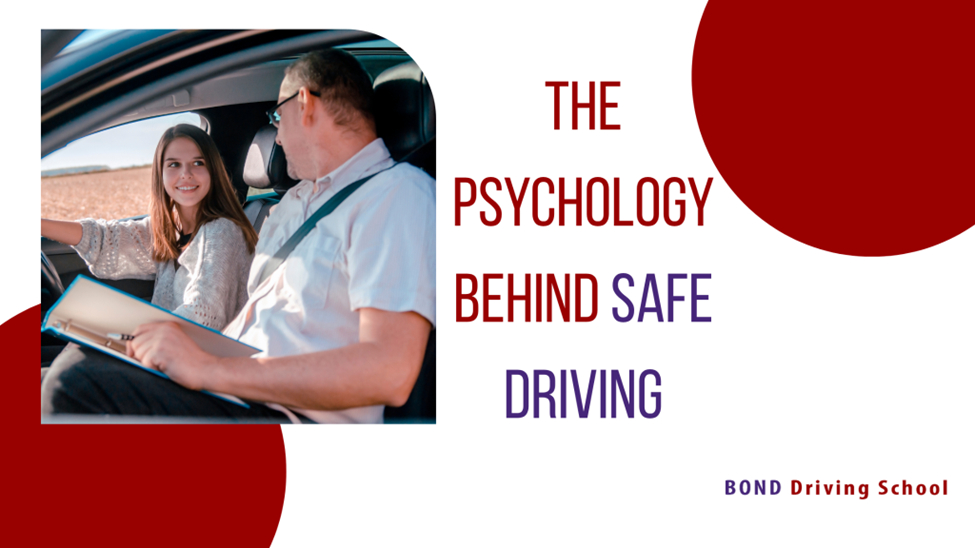
Driving is more than just operating a vehicle; it's a cognitive and emotional exercise that requires sustained focus, self-control, and mental clarity. While driving laws and road signs are standardized, the behavior of drivers varies widely, often influenced by internal factors such as emotions, stress levels, and mindset. Understanding the psychology behind safe driving can significantly improve road safety and reduce accident risk.
Let’s explore how psychological elements shape our driving behavior and what can be done to enhance mental preparedness behind the wheel.
The Mental Demands of Driving
Driving is a complex task that involves continuous information processing, multitasking, and decision-making. It requires drivers to interpret road signs, anticipate other drivers' behavior, adjust speed, and react to changing road conditions—all in real-time. The brain must filter relevant information from distractions and execute motor functions with precision. These cognitive tasks become even more challenging in high-stress environments or when the driver is emotionally compromised. The margin for error is narrow, making psychological readiness just as vital as technical skill.
Moreover, driving engages several parts of the brain simultaneously. The occipital lobe processes visual inputs, the parietal lobe manages spatial awareness, and the frontal lobe is responsible for decision-making and problem-solving. The cerebellum coordinates motor activity, while the limbic system regulates emotional responses. These systems must work in harmony for a driver to function efficiently and safely.
Cognitive load—the total amount of mental effort being used—varies depending on factors such as traffic density, weather conditions, and time of day. Heavy traffic, unfamiliar routes, and poor visibility can increase this load, heightening the risk of errors. Mental fatigue can also set in during long drives or stop-and-go traffic, reducing alertness and impairing reflexes. This is why it is crucial to maintain mental agility, which includes getting adequate rest, staying hydrated, and taking regular breaks.
Inexperienced drivers, particularly teenagers, often struggle with these demands due to underdeveloped cognitive control and slower processing speeds. On the other hand, even experienced drivers can become complacent, relying on automaticity—a state where driving becomes so routine that conscious thought is minimized. While automaticity can reduce mental strain, it also makes drivers more vulnerable to unexpected events if they are not fully engaged.
Understanding and managing the mental demands of driving is essential for maintaining safety. It involves more than knowing the rules—it requires self-awareness, the ability to remain calm under pressure, and the foresight to anticipate and avoid potential hazards.
How Emotions Influence Driving Behavior
Emotions play a significant role in determining how we behave behind the wheel. Feelings such as anger, frustration, anxiety, or even excitement can influence how we perceive risks and respond to road conditions. While emotions are natural and unavoidable, unmanaged emotions can result in unsafe behavior and poor decision-making.
Emotional Triggers on the Road
Certain situations are more likely to trigger emotional responses while driving. Heavy traffic, aggressive drivers, unexpected delays, and even issues unrelated to driving—such as personal or work stress—can provoke strong emotions. These emotional states can alter attention, slow reflexes, and impair judgment. For example, an angry driver might speed up or tailgate to vent frustration, while an anxious driver may hesitate excessively or misjudge distances.
How Anger and Aggression Affect Driving
Anger is one of the most dangerous emotions behind the wheel. It can manifest as road rage—aggressive and hostile behavior toward other drivers. This might include honking, yelling, cutting off vehicles, or retaliatory driving. These behaviors not only endanger the angry driver but also others on the road. Anger narrows focus, reduces patience, and increases the likelihood of taking risks.
Anxiety and Its Consequences
Anxious drivers may suffer from overcaution or indecision, which can be just as dangerous as aggressive behavior. Constant second-guessing, excessive checking of mirrors, and inability to make quick decisions can create confusion for other drivers. Anxiety may also cause physical symptoms such as trembling or shallow breathing, which further reduce driving effectiveness.
Sadness and Emotional Fatigue
Sadness and emotional fatigue—such as those experienced after a personal loss or during periods of depression—can dull awareness and slow reaction time. Drivers experiencing these emotions may be less responsive to sudden changes in road conditions or may miss cues entirely. Emotional numbness can make it harder to stay focused or care about rules and consequences, increasing risk exposure.
The Role of Positive Emotions

Interestingly, even positive emotions can impair driving. A driver who is overly excited or elated—perhaps after good news or a fun event—may be less attentive or more impulsive. They might speed, take unnecessary risks, or overlook important signs or signals. Maintaining emotional balance is essential, regardless of whether the emotions are negative or positive.
Developing Emotional Awareness
Recognizing one's emotional state before getting behind the wheel is a powerful form of self-defense. Drivers should take a moment to assess whether they feel agitated, upset, or overly excited. If emotions are running high, it may be wise to delay driving or take a moment to calm down. Practicing emotional intelligence—being aware of and managing one's emotions—can significantly enhance driving safety.
Strategies for Emotional Regulation
Effective techniques for managing emotions while driving include controlled breathing, playing soothing music, avoiding confrontations, and practicing positive self-talk. If anger or anxiety escalates while driving, pulling over to a safe spot and taking a break can help reset emotional balance. Consistent practice of these strategies fosters a calmer, more composed driving experience.
Stress and Its Impact on Decision-Making
Stress, whether related to traffic congestion, personal issues, or time pressures, can impair a driver’s cognitive functions. Under stress, the body releases adrenaline and cortisol, which can affect concentration, slow reaction times, and lead to tunnel vision. A stressed driver is more likely to engage in errors such as abrupt lane changes, misjudging the speed of oncoming traffic, or neglecting blind spot checks.
Chronic stress can further reduce the brain's ability to adapt to unexpected situations. Drivers experiencing long-term stress may develop a heightened sensitivity to minor inconveniences, perceiving them as major threats. This reactive mindset increases the chances of overcorrection, risky maneuvers, or road rage incidents.
Decision-making under stress is particularly compromised when the brain shifts from logical processing to emotional responses. Instead of assessing the road situation calmly, the driver may make rash decisions—like accelerating through yellow lights or changing lanes impulsively. This behavior puts both the driver and others in jeopardy.
Physiologically, stress can cause muscle tension, shallow breathing, and fatigue—all of which impact control of the vehicle and awareness of surroundings. Mentally, it diminishes the ability to plan, prioritize, and execute actions calmly and effectively.
Building stress resilience before getting behind the wheel is key. Practices such as mindfulness, getting adequate sleep, planning routes in advance, and allowing extra travel time can significantly reduce stress levels. When drivers anticipate possible delays and maintain a relaxed state of mind, they’re more likely to stay composed and make smart, safe decisions on the road.
The Dangers of Distraction and Lack of Focus
Distracted driving is one of the leading causes of road accidents today. Psychological distractions like daydreaming, engaging in heated conversations, or thinking about unrelated issues can be just as dangerous as physical distractions like texting. The human brain is not adept at multitasking, especially when both tasks require cognitive effort. Even a momentary lapse in attention can result in a serious accident. Developing situational awareness and mindfulness while driving can help maintain focus and prevent accidents caused by inattentiveness.
Understanding Overconfidence and Its Risks
Overconfidence often develops as drivers gain experience, but it can lead to complacency and increased risk-taking. A driver who believes they are highly skilled may ignore traffic laws, underestimate road hazards, or drive recklessly. This false sense of security reduces the natural caution that should accompany driving, particularly in unfamiliar or complex traffic situations. It’s essential to balance confidence with humility. Recognizing that every drive carries potential risks encourages more attentive and cautious behavior.
Fatigue and Its Cognitive Consequences
Driving while fatigued can be as dangerous as driving under the influence of alcohol. Sleep-deprived drivers experience reduced reaction times, impaired judgment, and decreased attention span. Microsleeps—brief, involuntary episodes of inattention—can occur without warning, especially during monotonous highway driving. To combat fatigue, drivers should prioritize adequate rest, take regular breaks during long trips, and avoid driving during their body's natural low-energy periods, such as late at night or early in the morning.
Mindfulness and Defensive Driving
Mindfulness, or the practice of being fully present in the moment, is a powerful tool for safe driving. A mindful driver is more likely to notice potential hazards, stay calm in traffic, and respond rather than react. Defensive driving, which includes anticipating the actions of other drivers and preparing for unexpected events, aligns closely with mindfulness. Incorporating mindfulness techniques into driver education can foster a culture of awareness and responsibility on the road.
Teen Drivers and Cognitive Development
Adolescent drivers face unique psychological challenges. The prefrontal cortex, which governs decision-making and impulse control, is still developing in teenagers. As a result, teen drivers are more susceptible to peer pressure, risk-taking, and distractions. Driver education for teens should address these developmental factors by emphasizing the importance of focus, responsibility, and emotional regulation. Role-playing scenarios, parental involvement, and setting clear driving expectations can reinforce these principles.
Technology and Cognitive Overload
Modern vehicles come equipped with a range of technological features designed to enhance safety. However, these features can sometimes contribute to cognitive overload. Complex infotainment systems, GPS navigation, and driver-assistance technologies require attention and can become distractions themselves. It's important for drivers to understand the capabilities and limitations of these systems and to use them judiciously. Training should emphasize that technology is a supplement to, not a substitute for, active driving engagement.
How Bond Driving School Helps Foster Mentally Prepared Drivers
At Bond Driving School, we take a comprehensive approach to driver education by recognizing the psychological components of safe driving. The curriculum goes beyond teaching road rules and vehicle operation. Our instructors are trained to help students develop emotional awareness, manage stress, and build strong focus and decision-making skills. Lessons often include real-world scenarios where students learn to navigate traffic while maintaining composure and attention.
We also work closely with parents of teen drivers to reinforce safe driving behaviors at home. Through structured lessons, open communication, and consistent feedback, we create a learning environment where students gain not only technical proficiency but also the mental discipline needed for lifelong safe driving. Whether it’s helping a nervous beginner overcome anxiety or guiding a confident driver to avoid complacency, our holistic training model ensures drivers are mentally equipped for the road.
Safe driving starts with a safe mindset. At Bond Driving School, we prepare students for the mental and emotional challenges of the road, not just the technical ones. If you or your teen is ready to become a more focused, confident, and responsible driver, enroll today and experience the difference of a driving school that teaches more than just steering and braking. Contact us for more information.